


Gardens in communal or shared areas
We’re responsible for maintaining gardens in communal or shared areas.
The cost of maintaining gardens in communal or shared areas is covered by a service charge.
To help us keep your gardens in good condition you should make sure you don’t leave any items in the way such as BBQs, trampolines, garden furniture, plant pots, retracting washing lines.
Sometimes we need to finish work over two visits – this can be due to weather conditions or needing to keep our gardeners safe from Hand-arm Vibration.
If you see a communal or shared garden area that needs some attention, let us know. You can also give us feedback to help shape our gardening service here.
For more information about trees in communal or shared areas, visit our tree management page.
Gardens that aren’t shared
If you have a garden that you don’t share with others, this is your responsibility to maintain and is covered in your tenancy agreement.
If you need help looking after your garden you can find and pay for a local gardener via Check a Trade or The Gardeners Guild. If you live in North Yorkshire, we’ve partnered with HADCA who offer a trusted handyperson and garden clearance service.
If you want to plant any trees or large shrubs in your garden you’ll need to put your request in writing to your Neighbourhood Officer.
Our Community Spaces team can offer free advice on the best type of trees or shrubs to be planted. For more information about trees in gardens that aren’t shared, visit our tree management page.
Invasive and problem plants
Some plants such as Bamboo, Fig, Giant Hogweed, Ivy and Japanese Knotweed can spread quickly and cause damage to the environment, homes, and outdoor spaces if they’re not properly managed. If a plant causes issues and originates from outside the UK, such as Giant Hogweed and Japanese Knotweed, we call it invasive.
Learn more about each plant and download images to help identify them:
Bamboo is not classified as an invasive species but certain varieties of can spread quickly and cause issues. Bamboo can be quick growing and is very strong which means it can invade neigbouring gardens or break through structures such as fences, walls and concrete.
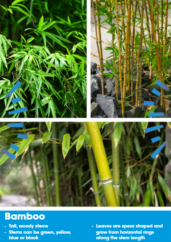
Bamboo
Learn how to identify Bamboo
File Type: pdf
File Size: 3 MB
Last Updated: October 2026
Fig is not classed as an invasive species in the UK but it has a fast growing root system that can cause damage to structures and homes. Their roots can get into sewers and water pipes and then swell. They can also crack foundations and walls.
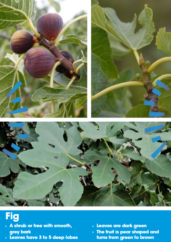
Fig
Learn how to identify Fig
File Type: pdf
File Size: 2 MB
Last Updated: October 2026
This is another invasive plant that can spread rapidly. It can grow over five metres tall and produces thousands of seeds each year. Giant Hogweed has toxic sap which can cause severe skin burns and painful blisters if it touches your skin and is then exposed to sunlight. It can also crowd out native plants and reduce biodiversity by taking over natural habitats.
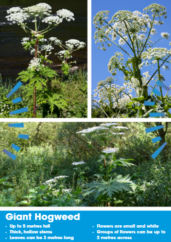
Giant Hogweed
Learn how to identify Giant Hogweed
File Type: pdf
File Size: 3 MB
Last Updated: October 2026
Ivy is not classed as an invasive species as it’s native to the UK but it can be a problem plant when it grows out of control. It can cover trees, block gutters, hide damage to buildings, and put extra weight on walls, fences, and structures. On the positive side, it provides shelter and food for birds, insects, and other wildlife, especially during the colder months.
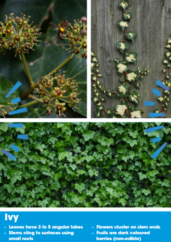
Ivy
Learn how to identify Ivy
File Type: pdf
File Size: 3 MB
Last Updated: October 2026
This is one of the most common invasive plants in the UK. It spreads very quickly through underground roots. Just a small piece of the plant can grow into a new one, making it difficult to remove. Japanese Knotweed can grow through cracks in paths, walls, and drainage systems, causing damage over time. It can also take over large areas, which can stop other plants from growing and reduce local wildlife habitats.
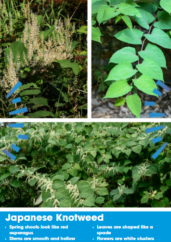
Japanese Knotweed
Learn how to identify Japanese Knotweed
File Type: pdf
File Size: 4 MB
Last Updated: October 2026
It’s important to take early action when managing these plants as treating problems quickly can help stop them spreading, protect wildlife, reduce maintenance costs, and keep people and homes safe.
If you notice one of the invasive or problem plants listed above in your garden, or a shared garden, get in touch with us.

Gardening service standards
How our team of gardeners / grounds maintenance colleagues help maintain your communal gardens / outdoor areas.
File Type: pdf
File Size: 348 KB
Last Updated: July 2026