
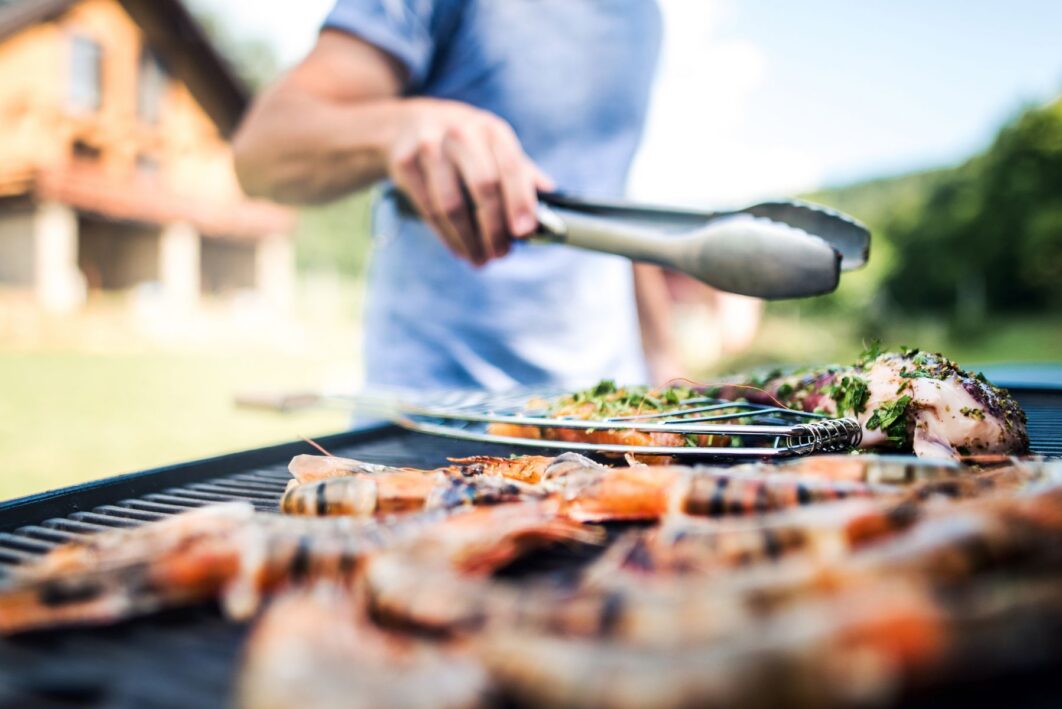
Person grilling meat on bbq

In summer, we all spend more time outdoors, whether that’s hosting a barbecue or spending time with family and friends. While these moments are something to look forward to, they can also bring hidden fire and health and safety risks that people don’t always consider.

By being aware of the risks and taking a few simple precautions, you can enjoy the summer safely!

Common summer fire risks

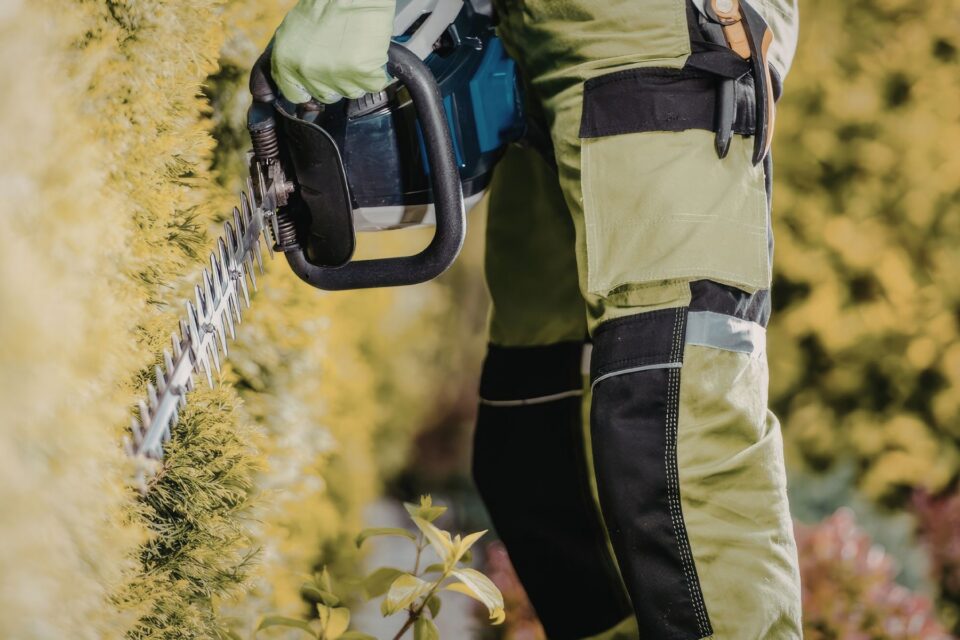
Warmer weather often leads to increased fire risks. Barbecues, garden equipment, and greater use of electrical appliances can all increase the chance of accidental fires.
  • Never leave barbecues unattended
  • Keep barbecues well away from buildings, fencing, and anything flammable
  • Never use a barbecue indoors, on a balcony or inside a tent
  • Dispose of ashes safely once completely cooled
  • The UK hasn’t banned disposable barbecues, but they’re restricted in many public spaces, including parks and beaches. You could be faced with
  • a fine if you’re caught using a disposable barbecue in a restricted area.

During summer, there’s an increase in food poisoning due to the heat and not storing food properly.

  • Keep chilled food refrigerated until needed
  • Don’t leave cooked food outside for long periods
  • Wash hands before preparing food

In summer, we often use more appliances such as fans, outdoor lighting, and cooking equipment, which can overload electrical systems.

  • Avoid overloading plug sockets
  • Use extension leads safely and sparingly
  • Check appliances for damage before use

With the rise in use of e-bikes, e-scooters, and multiple personal devices, safe charging is more important than ever.

  • Never leave devices charging unattended or overnight
  • Use only the manufacturer-approved chargers
  • Do NOT charge in escape routes such as hallways
  • Keep batteries away from heat and direct sunlight
  • Never use damaged batteries or chargers
  • Do not charge batteries immediately after heavy use, allow them to cool first
  • Stop using batteries if they become swollen, excessively hot or damaged

If your home has a carbon monoxide alarm, test it regularly. Carbon monoxide is colourless, odourless and can be fatal.

  • Test smoke alarms regularly (at least once a month)
  • When your alarm beeps, notifying a low battery, please contact us, and we will arrange a contractor to replace the detector
  • Know what to do if an alarm sounds in your home – get out, stay out, and call emergency services

Keeping fire doors closed and escape routes clear is essential, especially in shared buildings.

  • Never prop open fire doors
  • Never tamper with self-closing devices
  • Keep corridors, stairwells, and communal areas clear
  • Report any damaged fire doors or blocked exits

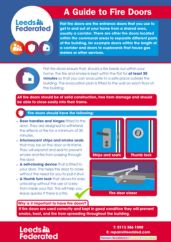
You can also take a look through our guide to fire safety and fire doors for more tips to help you stay safe:

Front cover of the guide to fire doors leaflet

Guide to fire doors and keeping shared areas safe

Learn more about the safety features on our fire doors and what you should check for to keep your fire doors and shared areas safe.

File Type: pdf

File Size: 3 MB

Last Updated: March 2024

Download this resource

  • Never discard cigarettes into plant pots or dry grass
  • Ensure cigarettes are fully extinguished before disposing of them
  • Use a proper ashtray rather than bins or garden waste
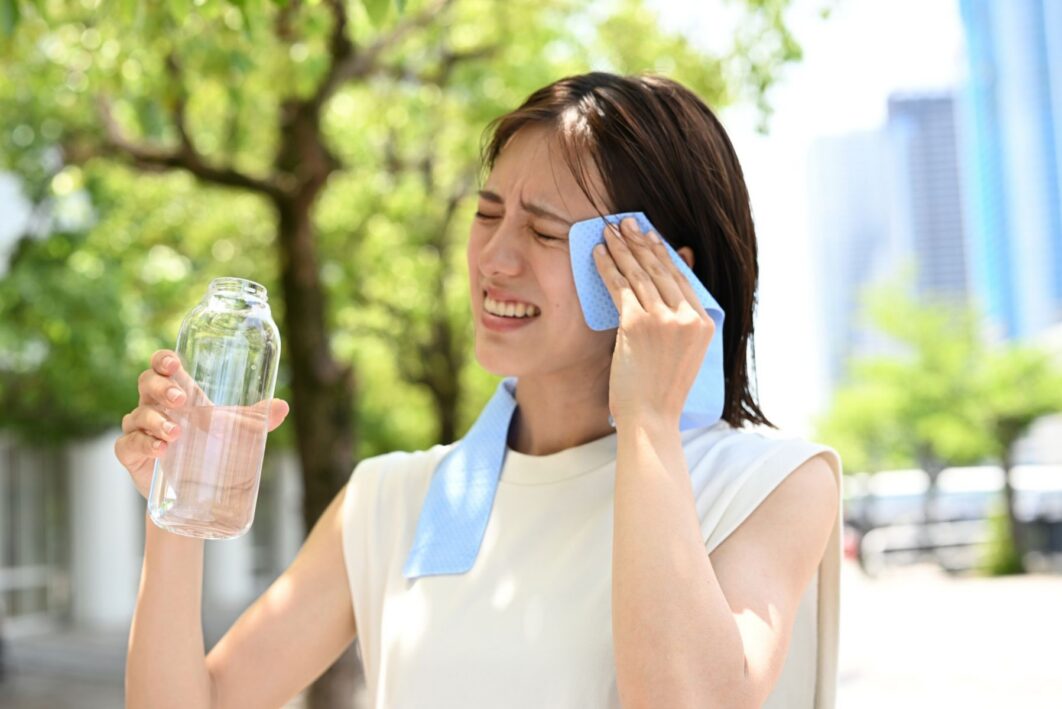
Woman drinking water and using wet towel to keep cool

Tips on keeping cool in hot weather

While it is important to reduce the risk of fire during the summer, it is equally important to protect yourself and others from the effects of extreme hot weather

Here are some tips to help you stay safe and comfortable during a heatwave:


  • Avoid peak hours: UV rays are strongest between 11 am and 3 pm. Schedule your errands, gardening, and physical exercise for the early morning or late evening
  • Dress appropriately: Wear light-coloured, loose-fitting cotton clothing, a wide-brimmed hat, and UV-blocking sunglasses
  • Suncream: Apply a high-factor suncream (at least SPF 30) and reapply it regularly, especially after swimming or heavy sweating

  • Block the sun: Keep blinds and curtains closed during the day to prevent direct sunlight from heating your home
    Ventilate at night: Open your windows in the evening and overnight when the outside air drops below the indoor temperature
  • Cool down: Take cool baths or showers, or apply a damp cloth to your neck and wrists to help regulate your body temperature

  • Drink regularly: Keep hydrated by drinking plenty of water throughout the day, even if you don’t feel thirsty
  • Water safety: While lakes, rivers, or reservoirs may look inviting, the council warns against swimming in them as cold water shock can be deadly. Always swim at supervised locations where it is safe to do so
  • Look after others: Check in on elderly neighbours, vulnerable family members and anyone living alone during periods of extreme heat

  • Never leave pets and children in cars: Never leave children, vulnerable adults, or animals alone in stationary, closed vehicles
  • Pet care: Walk dogs during the coolest times of day and test the pavement with your hand to ensure it’s not too hot for their paws
  • Make sure pets always have access to fresh drinking water and shaded areas

By following these simple tips, you can reduce the risk of accidents and enjoy a safe and enjoyable summer.

If you notice any fire safety concerns in your building, such as damaged fire doors, blocked escape routes or faulty smoke alarms, please report them to us as soon as possible.

You may also like