
The legislation was named after Awaab Ishak who tragically died in 2020 due to health conditions linked to significant black mould in his home. His family, and other visitors had repeatedly reported the issues to his landlord.
Awaab’s Law introduced stricter timescales for housing associations to resolve damp and mould issues in customer homes; improving customers’ health and helping keep homes safe and healthy.
How we prepared for Awaab’s Law
Before Awaab’s Law went live, we reviewed our systems and processes to make sure they’d meet the new legislation. As part of this work, we:
- updated our damp and mould procedure and customer communications
- improved our IT systems to manage cases from first report to completion
- strengthened case tracking and performance monitoring
- introduced clear escalation routes for higher-risk cases
- provided training for surveyors, repairs teams and customer-facing colleagues
- improved collaboration between teams
- introduced weekly contractor reviews, such as with in-house contractors Arthington Property Services (APS), to monitor progress and resolve delays.
Since Awaab’s Law was introduced, we’ve strengthened our escalation process to help progress damp and mould cases where we’ve been unable to access a customer’s home at the agreed time or where another issue has delayed the work. We continue to contact customers and work with them to arrange access as soon as possible.
Our approach
We’re committed to resolving damp and mould issues and preventing the issues reoccurring. This means we don’t just treat the mould; we address the underlying causes by:
- carrying out a survey to understand the root cause, rather than just treating the symptoms
- reviewing repeat repairs and inspections through monthly damp and mould case reviews
- investing in permanent repairs, where appropriate
- improving ventilation
- improving insulation and resolving defects with the building itself
- using trend analysis to help prevent future issues.
As part of our approach, we carry out checks on 10% of completed damp and mould cases, either by telephone or in person at 6 weeks, 6 months and 12 months after the work is complete – we call these type of checks post-inspections. This ensures the repairs are effective over the longer term.
How our approach to damp and mould works in practice
Learn moreThe impact of Awaab’s Law so far
The introduction of Awaab’s Law has been positive in helping us better track and resolve damp and mould issues in customer homes.
From first reporting the damp and mould issues with our property…Paul from APS…has gone above and beyond to ensure everything was completed to a high standard. Communication throughout the process was excellent, and the quality of finish is fantastic
Because we now have to meet stricter timescales, when customers report damp and mould to us, we carry out faster inspections which lead to quicker repairs, and healthier, safer homes. We also consider the findings from an inspection, alongside individual customer needs so we can resolve damp and mould issues in a way that works best for each customer.
Under Awaab’s Law, we’ve:
- completed 98 damp and mould inspections during Quarter 1 of 2026.
- completed 97% of inspections within target times. In the remaining 3% of cases, the inspection was rearranged at the customer’s request or we were unable to gain access to the home at the agreed appointment time.
- achieved an average time of 4.93 days between a customer reporting damp and mould and us carrying out an inspection, well within the 10-day target
- completed all remedial work within the 12-week target (excluding work still in progress).
Awaab’s Law has strengthened the way we respond to damp and mould, but our focus goes beyond meeting legislation. We’ve invested in our people, systems and processes to ensure customers receive a faster, more consistent service and that we tackle the root causes of problems, helping to keep homes safe, healthy and comfortable
What’s next?
We’ll continue to monitor and review our performance around resolving damp and mould issues, refining our processes as needed.
Phase 2 of Awaab’s Law will be going live on 30 November 2026 – this will focus on excess cold, excess heat and falls. We’ll continue to provide ongoing training for staff around the current phase of Awaab’s Law but will also be preparing for the next update in legislation – we’ll share more about this with customers soon.
We’ll also continue investing in customer homes to keep them safe and healthy through planned improvements, adaptations and proactive maintenance.
How to report damp and mould
We encourage all customers to get in touch with us as soon as possible if there’s a problem in their home or a damp and mould issue.
Signs of damp and mould:
is usually caused by moist air meeting cold surfaces e.g. poor ventilation or heating. You might get water on the inside of your walls or windows and black mould around your window frames.
is usually caused by a faulty or missing Damp Proof Course (DPC). You might see water marks at the bottom of your walls, salt residue or peeling paint.
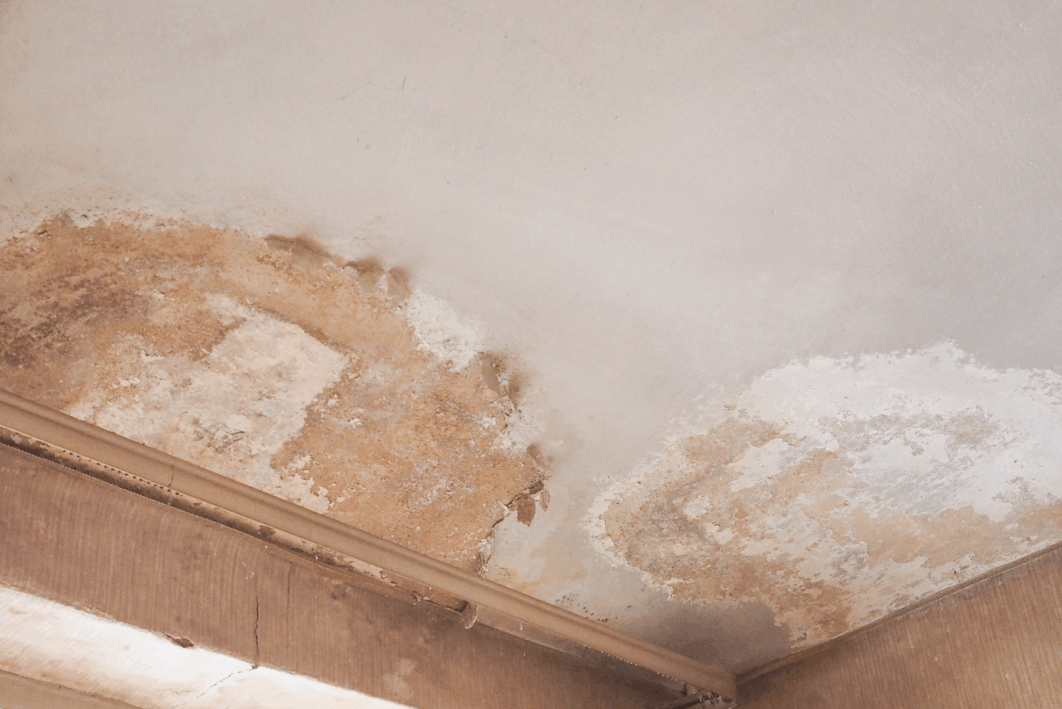
is usually caused by water coming into your home through things like broken roof tiles or cracked mortar. You might see discoloured patches on your walls or ceilings, particularly after rain.
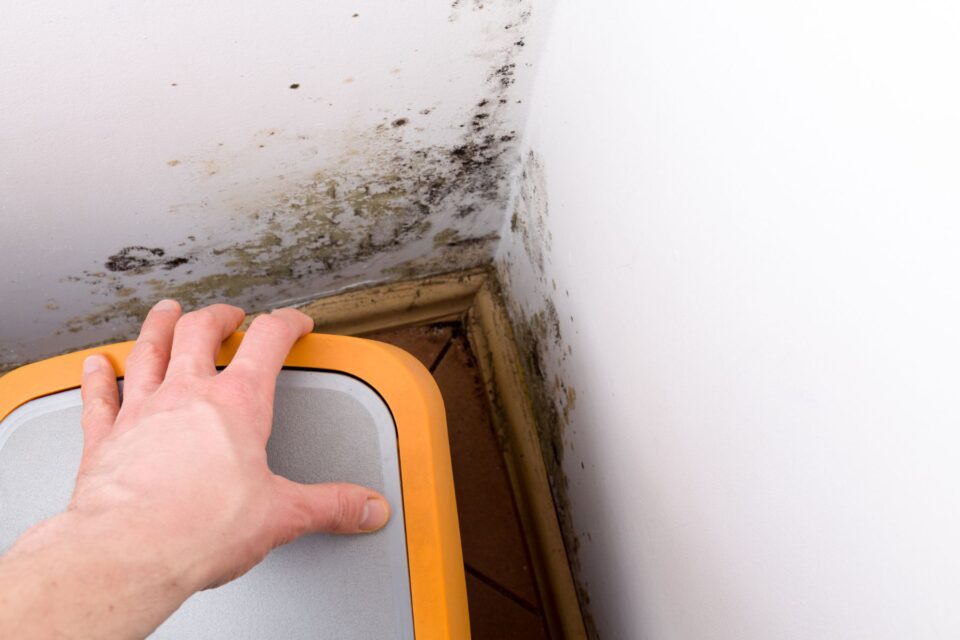
is caused by condensation and any form of damp. You might see black, green or white fungal patches on walls, ceilings or furniture.